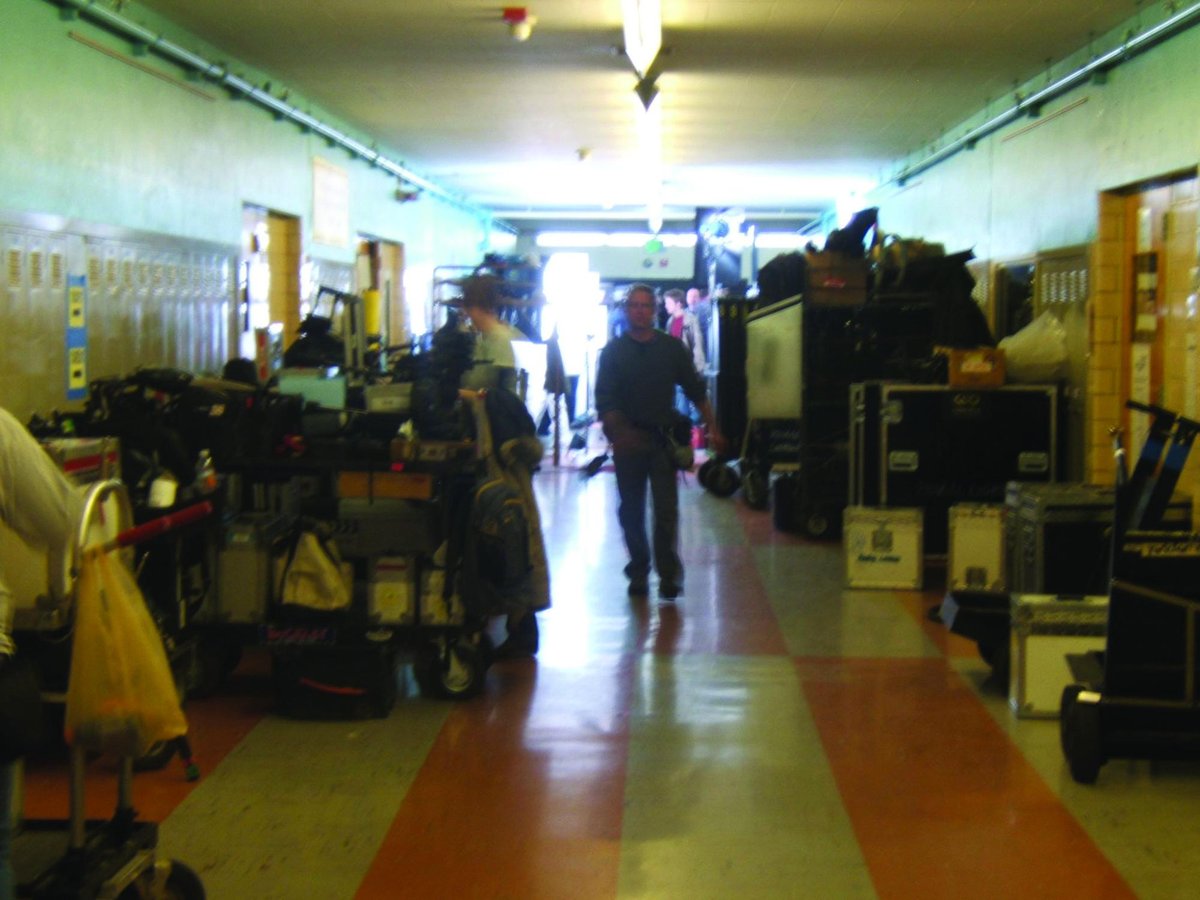
The flickering lights of a vacant high school during spring break in 2008 might not sound like the stuff of cinematic magic, but for the team behind Twilight, it was the perfect stage. Yet, delving Behind-the-Scenes: Age-Related Challenges or Aspects of Twilight Filming reveals a fascinating interplay of casting, set design, and directorial choices aimed at meticulously crafting a world that resonated with — and, in some cases, defied — the ages of its iconic characters and its burgeoning young stars. This isn't just about actors playing teenagers; it's about building an entire cinematic universe around the delicate, often angsty, period of adolescence.
At a Glance: Crafting Twilight's Youthful World
- Authentic Setting: The first Twilight movie leveraged a real, mid-century high school during spring break to create a believable Forks High.
- Age-Appropriate Casting: Director Catherine Hardwicke prioritized chemistry, specifically between Kristen Stewart and Robert Pattinson, to bring the teen characters to life.
- Visual Storytelling: From classroom props to cafeteria layouts, every detail was carefully chosen to immerse viewers in a high school environment.
- Blending Reality and Fantasy: Practical effects and CGI were seamlessly integrated to portray supernatural elements within a grounded, youthful setting.
- Lasting Legacy: The film's authentic portrayal of its setting and characters led to a cultural phenomenon, forever linking the real-world locations with its fictional youth.
Echoes in the Hallways: Building Forks High from the Ground Up
The first Twilight film, released in 2008, had a monumental task: translating Stephenie Meyer's wildly popular novel into a visual narrative that felt both grounded and enchanting. A crucial part of this was the setting—Forks High School. Rather than building elaborate sets from scratch, director Catherine Hardwicke, on the recommendation of Gus Van Sant, found her ideal canvas in a former high school building. This wasn't just any old school; it was a quintessential mid-century edifice, perfect for evoking the slightly worn, lived-in feel of a real small-town institution.
Filming occurred during spring break, a strategic choice that allowed the production team to transform the empty halls and classrooms without disrupting student life. This practical decision inherently addressed an "age-related aspect" indirectly: by using a real high school, they bypassed the need to construct an artificial environment that might not feel authentic to the very demographic the film sought to represent. The cafeteria, various hallways, and a specific classroom, B-18, became the stomping grounds for Bella Swan and Edward Cullen.
Local figures like English teacher Gene Brunak and head of campus security Chuck Matthews became guides through this temporary Hollywood takeover. The production wasn't just taking over; they were contributing, paying the district for the building's use and gifting new basketball jerseys and computers to the journalism program. This symbiosis underscores the commitment to realism, embedding the film's youthful world within the fabric of a genuine educational institution. For more insights into the practicalities of choosing locations, consider exploring articles on Twilight's filming locations.
Casting the Young Guard: Ages, Chemistry, and Iconic Roles
Perhaps the most direct "age-related aspect" of Twilight filming lay in its casting. Director Catherine Hardwicke faced the challenge of finding actors who could embody the complex, often intense emotions of teenage characters while also possessing the magnetism to carry a supernatural romance. Kristen Stewart, already an established young actress, was cast first as Bella Swan. Her grounded intensity set a benchmark.
The search for Edward Cullen was more arduous. Robert Pattinson, initially hesitant about the role, ultimately won Hardwicke over. His pivotal selection hinged on the palpable chemistry he shared with Stewart during their screen tests. This wasn't just about matching physical descriptions; it was about capturing an emotional dynamic that felt authentically youthful, passionate, and conflicted. While the characters were definitively teenagers—Bella at 17, Edward eternally 17—the actors themselves brought slightly more life experience to their roles. To learn more about the specific age of the lead actress, check out our deep dive: Age of Kristen Stewart in Twilight.
The decision to cast actors who were slightly older than their characters (Kristen Stewart was 17-18 during filming, Robert Pattinson 21-22) is common in Hollywood. It allows for a greater range of acting skill and the ability to work longer hours, avoiding stricter child labor laws. However, it also demands a careful touch from the director to ensure the performances remain convincingly youthful and imbued with the specific anxieties and joys of adolescence. Hardwicke’s focus on raw chemistry over strict age-matching paid off, creating a duo whose dynamic felt authentic despite any age discrepancies.
Crafting the Teen Milieu: Details in Every Frame
Beyond the physical location and the casting, the production team went to great lengths to dress the sets to perfection, ensuring every detail contributed to the illusion of a vibrant, albeit often moody, high school. Classroom B-18, for instance, became the science classroom for a major scene. Its courtyard-facing window was a key factor, providing excellent natural light. To enhance the exterior, flatbeds with potted trees were strategically placed outside, creating the illusion of a more lush, wooded landscape—a quintessential element of the Pacific Northwest setting.
Small, authentic touches elevated the environment. A taxidermied owl, an item one might genuinely find in a high school science lab, was moved from another classroom into B-18. In the cafeteria scene, the production used the school’s actual tables and chairs, reinforcing the sense of reality. A mini blimp, equipped with lighting and a camera, flew overhead to capture sweeping shots of the busy lunchroom, showcasing the everyday hustle and bustle of student life.
Student artwork also played a surprisingly significant role. Pieces by Randy Maves' students were featured prominently in the cafeteria. The crew didn't just display existing art; they mimicked the style for other areas, further embedding the artistic expression of "Forks High students" into the very fabric of the set. This careful attention to detail, from natural lighting to authentic props and student art, made the "youthful" setting not just a backdrop, but a character in itself. These choices are excellent examples of the intricate decisions that go into director Catherine Hardwicke's vision for Twilight.
The Young Stars and Crew: Interactions on Set
Even amidst the whirlwind of a major film production, the interactions on set offered glimpses into the human element behind the spectacle. Gene Brunak, the English teacher present during filming, had a brief encounter with author Stephenie Meyer, but generally observed the main cast from a distance, noting their comings and goings from trailers parked in the Glenhaven parking lot.
However, a more telling anecdote about the stars' approach to their temporary "school" environment emerged from a catered breakfast for the cast and crew. Brunak recalled seeing Robert Pattinson engaging in conversation with a school custodian. This small interaction, described by others as an example of Pattinson being "really nice," speaks volumes. It highlights a humility and a willingness to connect with the real people whose spaces they were inhabiting, bridging the gap between Hollywood glamour and the everyday reality of a working school. It shows that despite the pressure of playing iconic young characters, the actors maintained a grounded presence.
These moments, though seemingly minor, underscore the overall atmosphere on set. They suggest a production that, while focused on delivering a supernatural teen romance, still fostered a respectful and collaborative environment.
Beyond the Screen: Twilight’s Lasting Youthful Impact
The film’s release on November 21, 2008, catapulted Twilight into an unprecedented cultural phenomenon, solidifying its place in pop culture. The former high school building, once just a set, transformed into a mecca for fans worldwide. This transformation is a powerful testament to the film's success in creating a believable and beloved youthful world.
Tours were offered, guiding fans with visitor passes through key filming locations like the cafeteria and classroom B-18. What’s striking is the demographic of these fans. While Twilight is often associated with a teen audience, eyewitnesses like Gene Brunak noted the presence of fans from various age groups, including "older German women," described as kind and not disruptive. This broad appeal demonstrates that the film's "age-related aspects"—its portrayal of young love, identity, and fantasy within a high school setting—resonated far beyond its immediate target demographic. The authenticity of the setting, enhanced by the tangible history of a real school, contributed significantly to this immersive fan experience. For a broader understanding of how the film captivated audiences, explore Twilight's cultural phenomenon and its lasting impact.
The filming created a sense of excitement and pride for the school, a legacy that continues despite subsequent remodels. Former student Esthera Magda (2010-2014) recalled a hallway display commemorating the movie's history, cementing its unique place in the school's identity. This enduring connection illustrates how a film carefully crafted around youthful themes can leave an indelible mark on both the real-world locations it inhabits and the imaginations of its diverse audience.
The Illusion of Age: Special Effects and Visual Storytelling
While the authentic high school setting and careful casting provided a strong foundation for Twilight's youthful world, director Catherine Hardwicke and her team also employed visual effects to further define its unique blend of realism and fantasy. Special effects were crucial for defining Edward's unique "age-related" supernatural characteristic: his sparkling skin in sunlight. This iconic visual required a meticulous combination of CGI and practical effects, combined with precise lighting, to achieve the desired glittering, diamond-like appearance. It was a detail that instantly set Edward apart from typical vampires and underscored his otherworldly nature within a very human, high school context. Understanding these techniques can deepen appreciation for Twilight's special effects.
The film's visual approach was about creating a consistent aesthetic that felt right for its young characters and their story. Whether it was the slightly muted color palette reflecting Bella’s initial melancholic perspective or the sudden bursts of vibrant green in the Pacific Northwest forests that mirrored the intensity of her new experiences, every visual choice supported the narrative. The portrayal of youth wasn't just in the actors' faces but in the very atmosphere of the film itself.
The Ever-Growing Legacy of a Teenage Tale
From the initial hesitancy of Robert Pattinson to the global tours of a former high school, Twilight's journey behind the scenes reveals a rich tapestry of deliberate choices, practical ingenuity, and unexpected impacts. The absence of explicit "age-related challenges" in the production notes doesn't mean age wasn't a factor. Instead, it highlights how seamlessly the filmmakers navigated the aspects of portraying youth, from finding the perfect high school setting to casting actors with undeniable chemistry, and then enhancing that reality with targeted visual effects.
The success of Twilight didn’t just launch a successful franchise; it sparked a cultural phenomenon, influencing vampire-themed media and pop culture for years. This enduring legacy is a testament to the team’s ability to create a compelling, authentic world for its young characters, a world that captivated audiences of all ages and continues to hold a significant place in cinematic history. The challenges weren't about being young, but about convincingly portraying the nuanced, intense, and often magical journey of youth.